Adding more affordable superfoods to my diet is one of the simplest and most affordable ways I’ve found to boost my overall health. A lot of folks hear “superfoods” and immediately think of pricey goji berries or powders you see on social media. It’s easy to get swept up in all the hype. But, affordable superfoods don’t have to be expensive or hard to find. There are actually loads of budgetfriendly options that offer a surprising nutritional punch. Many probably already live in your kitchen, quietly waiting to give your meals a healthy upgrade.
What Superfoods Really Are (And the Truth Behind the Buzz)
The term “superfood” first popped up in the 1960s, meant to highlight foods that could help tackle malnutrition around the world. Back then, it was less about what’s trendy and more about foods that could actually make a difference where people didn’t have enough to eat. But by the 2000s, the word got a big makeover, turning into a marketing buzzword for exotic ingredients. Think acai, matcha, or spirulina, often with steep price tags for something simple at its core. Some of the most potent and affordable superfoods are everyday staples like oats, lentils, tomatoes, and leafy greens
Recent reports show the global superfoods market is set to grow from about $155 billion in 2022 to a projected $344.9 billion by 2033. Some popular players in superfood production include the US (kale and blueberries), Peru (quinoa and maca), China (goji berries and spirulina), India (turmeric), and Japan (matcha).
This popularity does come with real issues. Huge demand can lead to environmental trouble, such as water shortages, soil erosion, and more singlecrop farming (monocultures) that hurts both the land and local communities. Wages for local producers are often way too low, especially in places growing quinoa and goji berries. That’s why focusing on accessible, affordable superfoods is healthier for you and better for the planet.
Expert nutritionists now suggest that focusing on eating a diverse mix of foods is the best way forward rather than chasing after one “miracle” ingredient. Ordinary, affordable superfoods are just as powerful as the expensive trends if you know what to look for and put them to good use in daily routines.
My Take on the Best Cheap Superfood
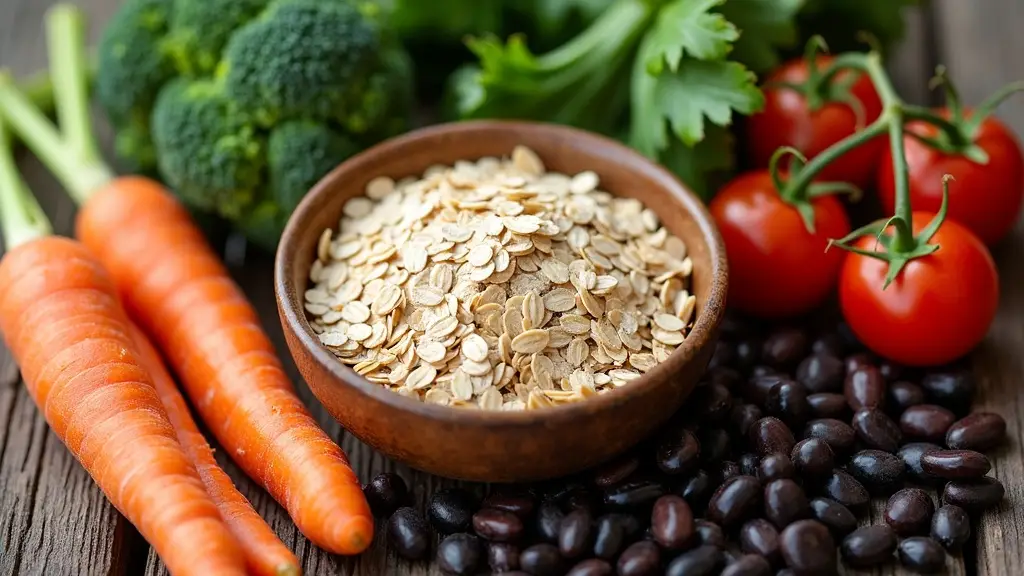
If I had to pick one budgetfriendly superfood to keep in my pantry at all times, it’s oats. Oats are incredibly versatile and packed with nutrition. They’re high in fiber (especially betaglucans), which helps lower cholesterol and quiet inflammation. Oats also provide solid plant protein, B vitamins, magnesium, and iron. All those are things I want in my daily routine. Plus, a bag of oats is easy on the wallet compared to almost any “superfood” you’ll find at a health shop. Steelcut and rolled oats are my go-to options most of the time.
What really makes oats shine is how easy they are to use. Try quick morning porridge, overnight oats, muffins, pancakes, or even a savory grain bowl, and you’ll be getting key nutrition. They’re not flashy, but oats work harder for my health (and my budget) than any fancy powder ever could. Among all affordable superfoods, oats give unmatched nutritional value for the price.
Top Inexpensive Affodable Superfoods to Check Out
Piling your plate with a variety of nutrientrich, affordable foods is way more practical and tasty than sticking to just one “star” food. Here’s a selection that gets a regular spot in my week for good reason:
- Peas: High in protein and fiber, but also great for complex carbs your body can use for steady energy. Toss frozen peas into soups, pasta, or salads for a nutritional boost.
- Carrots: Awesome for betacarotene (which your body turns into vitamin A), antioxidants, and fiber. Roasting, grating into salads, or snacking raw all work.
- Potatoes: One of the most misunderstood veggies around. Packed with vitamin C, potassium, iron, and B6, potatoes are seriously nutritious, especially if you eat the skins. Cooling cooked potatoes makes a type of starch that feeds the good bacteria in your gut, adding extra value to simple spuds.
- Tomatoes: High in vitamin C, potassium, and lycopene, which supports heart health. Cooking tomatoes actually helps your body use more lycopene, so sauces and stews are a real winner.
- Green Leafy Vegetables: Kale, cabbage, broccoli, and their cousins are loaded with iron, calcium, folate, and vitamins C, E, and K. These affordable superfoods contain compounds called glucosinolates, linked to reduced cancer risk in some studies. Stirfry, steam, or chop into soups and salads for a daily boost.
- Watercress: Very high in vitamin K, vitamin C, calcium, and iron. Small but mighty for bones and immune health.
- Lentils: These are cheap and last ages in the pantry. Lentils are packed with protein and fiber and have been shown to help lower the chances of heart disease and type 2 diabetes. I use them in soups, curries, or to bulk up salads with extra plant power.
- Blackberries: When in season or frozen, these berries outmatch most others for antioxidants (especially anthocyanins), vitamin C, and fiber.
- Brazil Nuts: Just four nuts a month provides enough selenium for most adults and that’s all you need. Selenium supports thyroid health and lowers cholesterol, which is great for overall well-being.
- Popcorn: When airpopped and lightly seasoned, popcorn is a whole grain loaded with fiber and unique phytochemicals. It’s a goto snack that’s cheap, filling, and fun for movie nights or after school cravings.
- Black Beans: Extremely high in fiber, plantbased protein (a real plant-based power food), and polyphenols (which are powerful plant compounds), 0ne of the best affordable superfoods. Multiple studies actually put their antioxidant content above many popular “superfruit” berries.
- Tofu: For anyone eating less meat, tofu is a great source of protein, calcium, and iron. It’s been linked to better heart health and is easy to cook into just about anything. Stirfry, roast, or blend into creamy spreads—a real multitasker.
- Edamame: These green soybeans, easy to find frozen, cook up quickly and are loaded with protein and fiber. Perfect for adding to salads, rice bowls, or for snacking straight out of the shell.
- Artichoke Hearts: Super affordable canned or frozen, artichoke hearts help lower bad cholesterol and are a tasty Mediterranean addin to pasta, grain bowls, or salads.
- Tahini: Made from sesame seeds, tahini is a good source of healthy fats and calcium. I use it in dressings and dips for both flavor and nutrition.
- Sugar (In Moderation): While not a “superfood” by itself, small amounts of sugar used traditionally in home cooking can add balance. Refined sugar in processed foods is a different story, but in homemade treats, it fits just fine and is a welcome part of a whole foods approach.
Don’t forget ingredients like onions, garlic, celery, and apples. These might appear basic but offer potent nutrients, too. If you keep these on hand, your meals will be nutritious and flavorful without costing a fortune. Broccoli, sweet potatoes, and squash are also options to throw in the mix as your budget allows. These affordable superfoods give you the best nutritional return on a tight budget.
Ten Affordable Superfoods Worth Adding to Your Cart
If you want an easy shopping list, these ten affordable superfoods are a good place to start:
- Oats
- Peas
- Carrots
- Potatoes
- Tomatoes
- Lentils
- Black Beans
- Kale (or any dark greens)
- Popcorn (plain kernels you can airpop)
- Tofu
Mix and match a few of these affodable superfoods every day, and you’ll be getting more vitamins, minerals, and protective plant compounds than most storebought shakes could ever offer. Try adding a serving of lentils or black beans to soup, topping oatmeal with berries, or snacking on popcorn instead of processed chips. You’ll notice healthier habits falling into place fast.
How to Make Superfoods Affordable in Everyday Life
- Buy in Bulk: Dried beans, oats, lentils, and popcorn kernels are cheapest when bought in larger packs and will last a long time in your pantry.
- Choose Frozen: Frozen peas, spinach, edamame, and berries are sometimes even fresher than the ones in the produce aisle and are usually less expensive. They don’t spoil as quickly, either, making them a smart choice for anyone short on time.
- Shop Seasonally: When fruits and veggies are in season, markets often drop their prices. That’s when I grab extras to freeze or use in largebatch cooking to stretch my dollar further.
- Don’t Skip the Basics: Everyday foods like potatoes, carrots, and tomatoes haven’t gotten the “superfood” memo, but they cover a ton of daily nutrition needs and cost very little. Their low cost and easy preparation are perfect for quick, healthy meals.
If you can, check out local farmers’ markets—sometimes prices there are even better than big supermarkets, and you’ll be supporting your community directly.
By focusing on affordable superfoods, you save money and still enjoy nutrient-dense meals.
Environmental and Social Impact of Affordable Superfoods
Going after rare and trendy superfoods has caused some big headaches in the countries where they’re grown. Huge global demand for quinoa in Peru and goji berries in China led to steeper prices, which sometimes hurt access and pay for local workers. Monoculture farming practices, planting the same thing on massive plots, require heavy water use and can leave soils depleted for future crops.
In contrast, affordable superfoods like lentils, oats, carrots, and beans put less stress on the environment because they can be farmed with regular crop rotation and need fewer resources to grow. These staples are good for your wallet and better for the planet. Eating a mix of these foods and buying local whenever possible is a win-win for both people and the earth.
Which Common Superfood Could Add Years to Your Life?
Green leafy vegetables such as kale, spinach, and watercress have shown some truly eye-catching results in research. Eating them regularly is linked with longer lifespans and better heart and brain health. Some studies have even suggested that adding more affordable superfoods like greens to your routine could contribute up to five extra years to your life compared to diets that skip these vegetables altogether. That sounds pretty good for something you can often find for a couple bucks at the corner store.
Frequently Asked Questions (And Straightforward Answers)
What is the best cheap superfood?
Oats are the best cheap superfood in my experience. They are filling, easy to prepare, versatile, and packed with nutrients, all for just a few cents per serving.
What are some inexpensive superfoods I should try?
Oats, peas, carrots, potatoes, tomatoes, green leafy veggies, lentils, black beans, and popcorn are all super affordable and easy to find in pretty much any grocery store. They give you lots of nutrition and don’t break the bank.
What are the top 10 affordable superfoods to eat?
Oats, peas, carrots, potatoes, tomatoes, lentils, kale (or any greens), black beans, popcorn, and tofu are the options I reach for most often when I want to keep things practical and healthy.
Which common superfood could add 5 years to your life?
Regularly eating green leafy vegetables like kale, spinach, and watercress has real research behind it for supporting healthy aging and potentially adding years to your life.
Putting Affordable Superfoods Into Action
Finding affordable superfoods isn’t tricky if you know what to look for. Ditch the overpriced powders and flashy snacks. Most of the healthiest options are waiting right in the regular grocery aisle. Spend less and get more out of every meal. Mix up your choices, go for foods you like, and enjoy the everyday power of simple affordable superfoods without the complicated price tag. Small changes add up to big benefits over time, so start where you are, and make the most of the nutrient-packed staples you can easily work into your habits.