If you’re like me and want peace of mind about what’s going into your food, paying attention to cookware is a smart move to live a balanced lifestyle. Picking non-toxic cookware keeps your kitchen safe and helps you avoid sneaky chemicals that can leach into your meals. The number of choices out there might seem wild, but I’m here to make it simple and clear.
Summary. Non-Toxic Cookware Guide
Some cookware can leak unwanted chemicals into your food as you cook, especially if those pans are damaged, worn out, or made from questionable materials. Swapping over to non-toxic cookware options helps keep your meals clean and your kitchen environment a lot safer. Here’s what you need to know about making better choices without overcomplicating things.
General Concerns Around Cookware Safety
We all use pots and pans every day, but not everyone realizes some of them can actually put trace amounts of metals or chemicals into our food. The main culprits are older nonstick coatings, cheaply made aluminum or copper pans, and anything with wornout coatings. These substances might seem harmless at first, but we’re better off sending them to the recycling bin. Even small, constant exposure to things like PFOA or heavy metals can be a problem over time. Choosing cookware that doesn’t leach is a big step toward creating a healthier kitchen. On top of that, by replacing risky pans, you also step up your clean cooking experience and get more consistent results with your favorite recipes. By choosing non-toxic cookware, you improve both safety and cooking performance in your kitchen.
Main Cookware Types You’ll Run Into
- Singlematerial cookware: Made all the way through from one substance, like solid stainless steel, cast iron, or glass. These tend to be low maintenance in terms of leaching risks.
- Coated cookware: Built using a base material (usually aluminum or steel) with a special surface layer for nonstick or aesthetic purposes. Think ceramiccoated or PTFEcoated pans.
Knowing the difference helps a lot when picking what to buy or retire from your collection. Of course, everybody’s cooking style and needs are different, so a bit of awareness about these types pays off when it’s time to add or replace pieces in your setup with non-toxic wookware.
Safe, Non-toxic Choices For Every Kitchen
After trying out quite a few pans myself and reading up on the science, certain materials consistently come out ahead for safety and durability:
- Stainless Steel: Super sturdy, resists rust, and doesn’t react with acidic foods. 18/10 stainless is my goto for daily cooking. Low maintenance and pretty affordable, especially with brands like Cuisinart or Tramontina. Cuisinart or Tramontina make excellent non-toxic cookware for all skill levels. These pans are easy to clean and capable of handling tough jobs like browning, sautéing, and boiling. If you want a versatile set, this material should be at the top of your list.
- Cast Iron & Carbon Steel: Oldschool favorites. Cast iron pans pack a punch for searing, frying, and baking. They’re heavy, need seasoning, but can last forever if you treat them right. Carbon steel is lighter with the same benefits, though still needs some basic care to prevent rusting. Fans of highheat cooking will enjoy these for generations. Just remember to keep them dry and season often.
- Ceramic & Enamelcoated Cookware: Both are really solid for baking and stovetop use as long as they’re from respected brands and you avoid using them once they get chipped or cracked. 100% ceramic pots (like Xtrema) offer peace of mind, but pure ceramic is less common and more fragile. Enamelcoated options give you great looks and reliable performance, provided you’re gentle and don’t drop them.
- Some Modern Nonstick: PTFEcoated pans (the technical name for Teflon) are a convenient option. These days, most reputable nonstick cookware is free from PFOA and PFOS, making it much less concerning for daily use. Just avoid overheating or scratching them with metal utensils and they’ll treat you well.
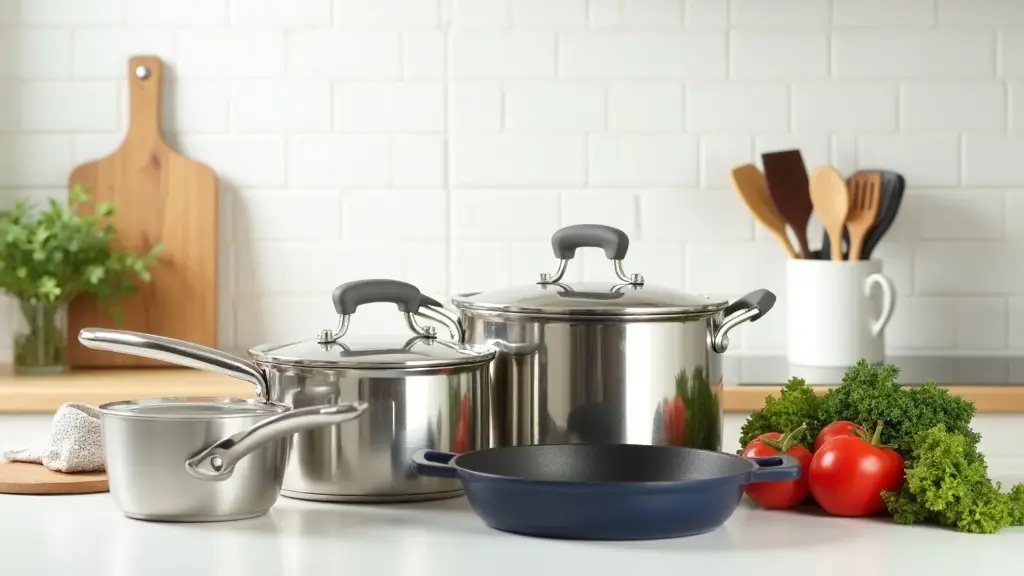
If you want the absolute lowestrisk set up, a mix of stainless steel and cast iron (with maybe a ceramic roasting dish) covers pretty much all your bases without breaking the bank or your nerves.
Choosing a Frying Pan for Nontoxic Cooking
The frying pan is often the star of the kitchen, so it’s no surprise people want the healthiest option here. The choice depends on what and how you like to cook. Here’s a quick rundown for the most popular frying pan types:
- Cast Iron: These are beasts at frying, searing, and even baking. They develop a natural nonstick surface if you season them with oil, but they do take a bit of practice (and elbow grease) to keep in top shape. If you cook a lot of meat or love highheat searing, it’s worth the small learning curve. Lodge makes budgetfriendly options with quality results.
- Stainless Steel: Not nonstick, but reliable. A splash of oil at the right temperature stops most food from sticking. They’re easy to clean and can go in the dishwasher, too. For everyday frying, this is my pick.
- Modern Nonstick or HighQuality Ceramic: If you want zero hassle and easy cleanup, a PTFE nonstick pan (think Tfal, GreenPan, or Caraway) not only delivers solid results but, if it’s PFOAfree and you avoid redhot temps, keeps things safe. Just remember to replace once the coating wears out. These pans are great for eggs and pancakes but may not last as long as steel or iron.
It’s worth building your collection around what fits your style, but most folks end up using stainless steel for most things and keeping a single nonstick skillet for eggs or pancakes. Whether you’re a breakfast lover or a stirfry enthusiast, there’s a nontoxic option that makes healthy cooking easier and safer at home.
Cookware To Avoid For a Healthier Kitchen
- Aluminum (Uncoated): These pans are super cheap but can react with acidic ingredients (tomato sauce is the classic example), causing the metal to leach into your food. Not great for routine use.
- Copper (Unlined or Antique): Unless you’re buying copper pans with a solid stainless steel lining, copper can end up in your meals. Antique pans can be risky for this reason.
- Old Nonstick (Pre2015): Anything made before the phaseout of PFOA and PFOS in nonstick coatings can carry those chemicals still. If you don’t know the age of your nonstick pan, replacing it is the safer move.
- Damaged Ceramic or Nonstick: Once the surface is chipped, scraped, or flaking, toss it. These flaws can open the door for metals or coatings to flake into your food.
Avoiding these materials is key to sticking with non-toxic cookware that protects your health.
Affordable Non-toxic cookware Options That Actually Work
Safe cookware and safe kitchen tools doesn’t always mean expensive. My budgetfriendly favorites include:
- Stainless Steel: Sets from brands like Cuisinart or Tramontina give you reliable performance without breaking the bank. One or two allpurpose pans go a long way, and they can handle most dishes you’ll want to cook.
- WellCaredFor Cast Iron: Lodge is a top pick for affordable, USmade cast iron that can last longer than most cars (seriously). Even a single cast iron skillet can make a huge difference in daily cooking tasks.
- Nonstick: A single, decentquality nonstick skillet for eggs or crepes is worth investing in if you hate scraping your omelet off the pan. Just skip supercheap ceramic coatings, as they lose their nonstick power quickly and may not last long.
You don’t need expensive luxury brands to build a safe, non-toxic cookware collection.
Tips to Keep Your Cookware Non-toxic and LongLasting
- Use wooden or silicone utensils on any nonstick or ceramic surface to prevent scratches.
- Skip harsh cleaners or steel wool, especially on nonstick or enamel coatings. Gentle sponges work best, as tough scrubbers can damage surfaces and invite chemicals into your food.
- Check pans regularly for chips or peeling. Damaged pans should be replaced or recycled to keep things safe at home.
- Cast iron care: Season lightly with oil, avoid soap, clean with warm water, dry right away, and lightly oil before storing. Don’t soak, or you risk rusting the surface. Simple care keeps iron pans in top shape and ready for the next meal.
- Always keep metal cookware dry to prevent rust, especially for carbon steel and cast iron. Store your pans in a dry spot if possible to get the best life out of them.
A little basic care goes a long way in keeping your cookware safe and in good shape for years. Even basic routines like drying pans after washing and gentle cleaning can extend their lives drastically. So, proper care ensures your non-toxic cookware.
FAQs Summary. Your Non-toxic Cookware Questions, Answered
What is the safest cookware for your health?
Stainless steel, cast iron, carbon steel, and highquality ceramic or enamelcoated cookware lead the pack. They don’t leach harmful chemicals if used and maintained properly. Always make sure you follow manufacturer care tips and keep an eye out for any obvious damage.
What pans are 100% nontoxic?
Pans made from pure stainless steel, heavyduty cast iron, 100% ceramic (like Xtrema), and glass (for baking) are considered fully nontoxic. Choose reputable brands and follow care guidelines to make sure they stay safe and last as long as possible.
What’s the best nontoxic pan to buy?
For a single allstar pan, I recommend a stainless steel skillet or a wellseasoned cast iron pan. Both cover almost all stove and oven tasks and are safe with all food types. Stainless steel offers easy maintenance, while cast iron brings great performance (if you’re willing to keep it seasoned). Either choice can quickly become the backbone of your kitchen.
What is the healthiest choice for pots and pans?
A collection of stainless steel pieces for most jobs, a cast iron skillet, and maybe a pure ceramic casserole or roasting dish give you maximum flexibility with peace of mind. For nonstick needs, picking a highquality, modern PTFE pan and replacing it when worn is a smart compromise that keeps cleanup simple and your meals toxinfree.
Are Tefal (Tfal) pans safe?
Modern Tefal or Tfal pans are made without PFOA and are safe for routine cooking if you keep heat under 260°C (500°F) and don’t scratch up the coating. At the first sign of flaking, it’s time for a replacement to avoid loose particles in your food.
Finding the right cookware for a nontoxic kitchen is about balancing ease, safety, performance, and your budget. Keeping these tips in mind, you can absolutely eat healthier and worry less about what’s hiding in your pots and pans. In today’s world, it’s easier than ever to enjoy homecooked meals without second guessing the safety of your cookware, so you can focus on what really matters: sharing good food with the people you care about.